Cross-Functional Collaboration

Kern and Partners / Los Angeles

Break down the silos. Speed up the work.

When work stalls between departments, we help your teams clarify ownership, make decisions and solve problems together. Your leaders practice these ways of working and teach them to their teams.

The problem

Your weekly management reports show the KPIs for each department, but do they show the time loss, quality problems, and challenges between the handoffs?

Your reporting process shows how each function is performing without revealing where work waits between them. That is where unclear ownership and competing priorities can create delays, rework and avoidable costs.

  • Work stops at the line between two departments and starts again late.

  • Decisions wait days for someone to make them, or get made twice.

  • The same problem gets fixed in one department and comes back from another.

  • Conflicts between teams climb all the way up to you.

  • A new system or AI tool went in, and the promised savings never showed up.

What we do

Clearer ways of working across departments

We help your teams agree how work will move between departments, how decisions will be made and how disagreements will be resolved. Your leaders practice these agreements and teach them to their teams.

  • Find where work gets stuck.

    We find where work breaks between your functions and what it costs, using your own numbers.

  • Fix the handoffs.

    Clear owners, clear “ready” and “done,” and agreed response times between teams.

  • Speed up decisions.

    Who decides what, how fast and what happens when departments disagree. Less waiting, fewer decisions made twice.

  • Solve problems together.

    A shared way for people from different departments to work a problem before it becomes a conflict.

  • Leaders teach it.

    Your managers and leaders learn the system, use it and teach it to their teams. That’s how it spreads past the first group.

Why it sticks

Change happens through daily habits, not “where is it” memos.

New habits need more than an announcement. We build in practice, repetition and feedback on real work, with opportunities for leaders to teach what they have learned.

What changes

What changes

  • Work moves faster between departments, measured before and after.

  • Fewer decisions get made twice.

  • Fewer escalations land on your desk.

  • Less avoidable rework and delay.

  • More reliable delivery against agreed dates.

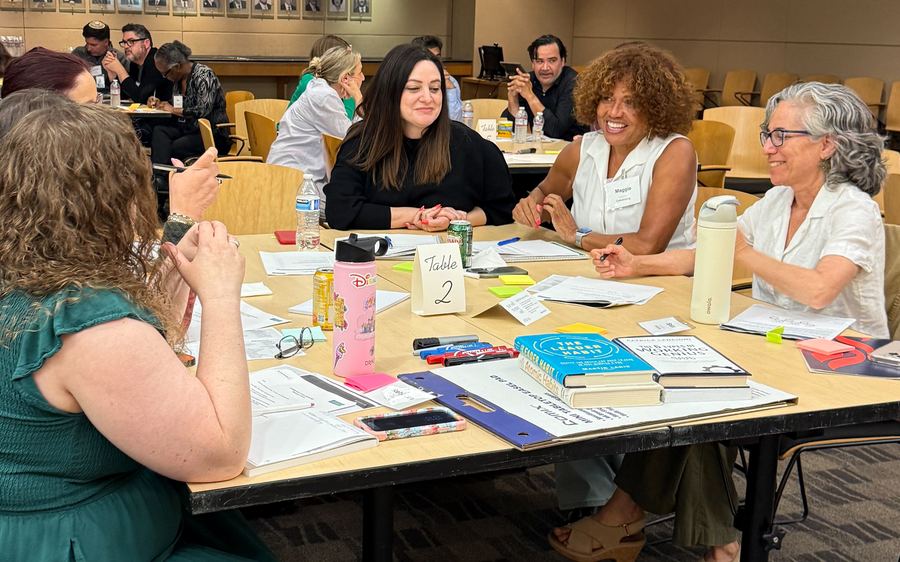
Leaders working together at a table during a Kern and Partners session
Leaders working a problem together

In their words

What leaders say

I feel Russell’s training should be mandatory for all leaders and teams. It optimized the way our people work together and our workflow ... all leaders should consider how much team members feel more valued when we show we care by investing in their development.

Charlene MinxFounder, President · Minx Law

True business growth comes when marketing teams work in lockstep, aligning strategy, creativity, and execution across every channel. When collaboration is strong, we’re able to accelerate brand impact, shorten go-to-market cycles, and drive measurable ROI. Throughout his storied career, Russell has a track record and proven frameworks to break silos, optimize processes, and unlock the full potential of any team’s collective talent.

Craig ListerChief Marketing Officer · National Wireless CarrierOn working with Russell

Russell’s presentation helped our team to rethink our approach to Organizational Development for the rapid growth of our organization moving forward.

Jill SmithSenior Manager of Organizational Effectiveness · Zaxby’s FranchisingConference session feedback

Executive report

Stop Paying T.H.E. Silo Tax

An executive briefing from Kern and Partners.

Questions

Questions

How do you resolve conflict between departments?

Look at what each department is measured on. Competing goals can contribute to conflict, alongside unclear roles or strained relationships. Agree on a shared goal for the work that crosses the line, name one owner for the handoff, and set a simple way to settle disagreements before they escalate.

Why do handoffs between departments keep failing?

Unclear ownership is one common place to investigate. Each department owns its own work, and the handoff sits in between. Without an agreed definition of “ready,” a named owner and a response time, work waits, gets reworked or falls through.

How much does poor collaboration between departments cost?

More than most reports show, because the cost hides in delay, rework, repeat decisions and the time leaders spend settling disputes. The Cost of Unowned Work estimator gives you a range using your own numbers to help you decide where to investigate first.

Do you do change management consulting?

Yes, in a specific way. We don’t write the change plan and leave. We help your leaders change how work is done across departments, practice it and teach it to their teams.

Next step

Where are the handoffs hurting the business?

Collaboration assessment Talk to Russell
Kern and Partners / Let’s talk

The first step is a conversation.

Thirty minutes with Russell to discuss the result you need, what may be getting in the way and whether we can help. No obligation to go further.

Your note goes directly to Russell.

Or call 877-323-5376 (KERN)
Free assessment

Assessment

The online version opens soon. Leave your details and Russell will send it to you.

Video